

For those of you planning a trip to Japan, here is an overview of the influenza situation in winter 2026 and Japan’s unique culture of preparedness.
By understanding the medical practices in Japan, which are different from those in your country, you can enjoy your trip with more peace of mind.
2026 Winter Influenza Situation
The influenza pandemic for the 2025-2026 season began about one to two months earlier than usual, and as of December 2025, 39 prefectures had exceeded the warning level, an exceptionally large epidemic.
The new mutant strain “Subclade K” has become the mainstream strain, and caution is required because the speed of infection spread is faster than before.
The main symptoms are a high fever of 38°C or higher, runny or stuffy nose, cough, and sore throat.
There is no major difference in severity from conventional influenza, but please be aware that it is highly contagious.

Differences in the way Japanese cope with the situation
While the response in each country may vary, we would like to introduce some of the differences in the response to influenza that are unique to Japan.
1. use of anti-influenza drugs
Characteristics of Japan:
In Japan, all influenza patients, mainly healthy adults and children, are often treated at an early, mild stage with anti-influenza drugs.
This is an old document, but it seems that Japan is the number one country by far, accounting for about 75% of the world’s consumption of Tamiflu, the leading anti-influenza drug, far ahead of the United States, which is in second place with about 20%.
https://www.itmedia.co.jp/makoto/articles/1412/09/news030.html
The old way of curing the disease without drugs.
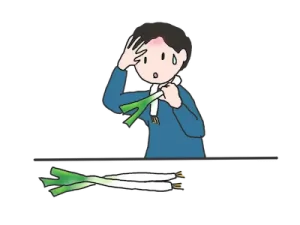
Sleep with a leek wrapped around your neck. I don’t think anyone in Japan today does this, but it was practiced in the past.
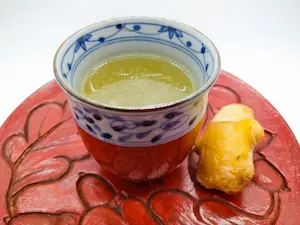
Drinking ginger tea. Ginger tea has been drunk for centuries and is drunk at home during colds and flu.
2. mask-wearing culture
Japan’s unique mask culture:
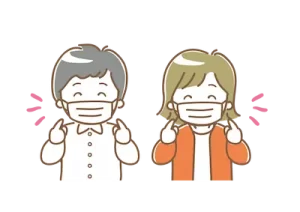
In Japan, many people on the streets wear masks during pollen season and in winter when colds and other illnesses are prevalent.
In the April 2021 to April 2022 survey, the percentage of respondents in Japan who said they would wear a mask in public remained consistently high, ranging from 89% to 87%.
In Japan, where people are more strict about “causing trouble to others,” it is social etiquette to wear a mask to avoid contracting an illness.
3. medical examination habits
When symptoms of influenza appear, most Japanese are more likely to promptly seek medical attention and undergo testing.
Influenza tests are widely used in Japan, and a diagnosis can be made in about 15 minutes.
Also, many people who are infected, both adults and children, are tested because of their habit of not going to work or school.
4. vaccination concept
Although some people dislike the vaccine, it is often administered to prevent infection of family members or workmates by vaccinating oneself.
In many cases, if you work at a job that does not allow you to take time off at any time, your company will pay for the vaccine.
Since the effects of the vaccine begin to appear approximately two weeks after vaccination, it is recommended that those who have not yet been vaccinated consider vaccination even during the epidemic period.
Many medical institutions in Japan offer vaccinations without an appointment.
Practical advice for visitors to Japan
preventive measure
- Handwashing and Alcohol Disinfection
Handwashing, gargling, and hand sanitizing are the easiest and most effective ways to prevent contact infection. In Japan, alcohol sanitizers are available at the entrances to many public facilities and stores. - Wear a mask
It is recommended that you wear a mask when you cough or sneeze, or if you do not have a mask, hold your nose and mouth with a tissue or the inside of your arm. In Japan, masks are readily available at pharmacies and convenience stores. - Room Environment Management
Using a humidifier or similar device to keep the humidity in the room at 50-60% will help prevent the mucous membranes from drying out and reduce the infectivity of the virus. If your hotel room does not have a humidifier, we recommend that you ask the front desk for one.
If you feel unwell.
- Early Consultation
If you experience symptoms such as fever over 38°C or general malaise, please consult the hotel front desk or call a medical facility as soon as possible. - Visiting a medical institution
In Japan, foreign travelers can also visit general medical institutions. However, as a rule, medical care in Japan is not by appointment only, so there may be a waiting period. - Contact the support desk of your insurance company
If you have travel insurance, contact the support desk of your insurance company. They may be able to refer you to a multilingual medical facility. - About Prescription Drugs
In Japan, anti-influenza drugs cannot be purchased without a doctor’s prescription.
Please note that this may be different from your country.
Cultural Considerations
In Japan, it is considered social etiquette to always wear a mask when going out when you are not feeling well.
If you have a cough or other symptoms, please be considerate of your surroundings by wearing a mask.
summary
Influenza control in Japan is based on three pillars: emphasis on prevention, early detection and treatment, and consideration for others.
These customs may be different from those in your country, but they reflect the unique social culture of Japan.
In order to avoid getting sick during your stay in Japan, which you have come to look forward to, it is important to practice basic preventive measures and take action as soon as possible if you feel anything unusual.
Please consider using travel insurance if necessary, and enjoy your stay in Japan with peace of mind.
References:.
- Ministry of Health, Labour and Welfare Influenza Information : https://www.mhlw.go.jp/
- Search medical facilities for foreign visitors : Japan Visitor Hotline (050-3816-2787)
The information in this article is current as of January 2026. Please check official information for the latest status.
Insurance in Japan is available at
>>TOKIO OMOTENASHI POLICY <<